

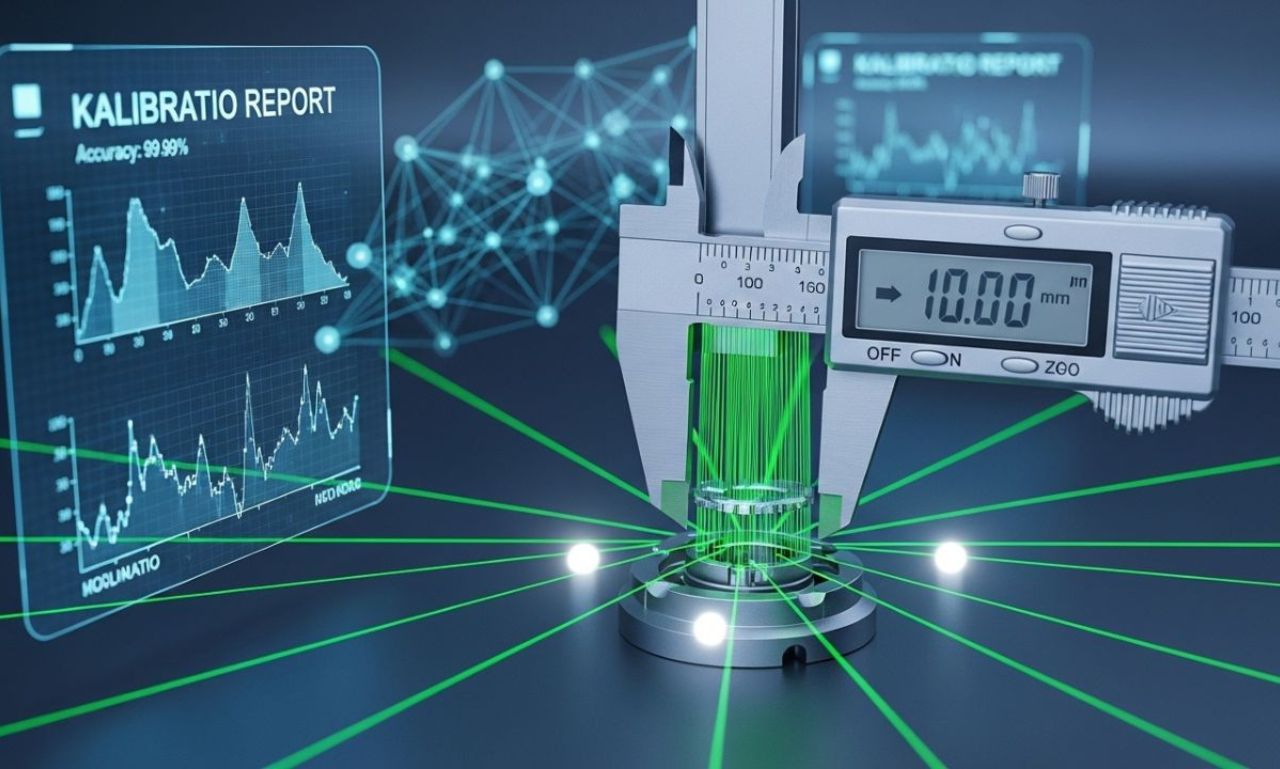
From manufacturing plants and scientific laboratories to hospitals and environmental monitoring stations, calibration helps maintain quality, safety, and compliance. Without regular calibration, measurement errors can lead to defective products, inaccurate research, equipment failure, or safety risks.
This article explains the meaning of Kalibraatio, its importance, the calibration process, common methods, applications, benefits, challenges, and best practices.
What Does Kalibraatio Mean?
Kalibraatio refers to the process of comparing a measuring instrument against a known reference standard to determine its accuracy. If discrepancies are found, the instrument may be adjusted so its measurements fall within acceptable tolerances.
Calibration is not limited to one industry. It is used wherever accurate measurements are required, including engineering, healthcare, automotive manufacturing, aviation, food production, and scientific research.
Why Is Kalibraatio Important?
Reliable measurements are the foundation of quality and safety. Regular calibration ensures that instruments continue to perform correctly over time.
Key reasons why Kalibraatio is important include:
- Improves measurement accuracy
- Maintains product quality
- Enhances workplace safety
- Supports regulatory compliance
- Reduces costly errors
- Extends equipment reliability
- Builds confidence in collected data
Organizations that prioritize calibration often experience fewer production issues and more consistent results.
How the Kalibraatio Process Works
Although procedures vary depending on the instrument, calibration generally follows several standard steps.
1. Inspection
The instrument is visually inspected for damage, wear, contamination, or mechanical problems.
2. Comparison With a Reference Standard
Measurements produced by the instrument are compared with values from a certified calibration standard.
3. Error Analysis
Any differences between the measured values and the reference values are carefully documented.
4. Adjustment
If the instrument falls outside acceptable tolerance limits, technicians may adjust it to restore accuracy.
5. Verification
After adjustment, the instrument is tested again to confirm that it now meets the required specifications.
6. Documentation
Calibration results are recorded in official reports that include:
- Test results
- Measurement uncertainty
- Calibration date
- Technician information
- Next recommended calibration date
Proper documentation supports quality assurance and regulatory audits.
Types of Kalibraatio
Different industries require different calibration methods.
Mechanical Calibration
Used for measuring tools such as:
- Micrometers
- Vernier calipers
- Pressure gauges
- Torque wrenches
Electrical Calibration
Applied to electrical instruments including:
- Multimeters
- Oscilloscopes
- Voltage meters
- Current meters
Temperature Calibration
Commonly used for:
- Thermometers
- Temperature sensors
- Ovens
- Refrigeration systems
- Laboratory incubators
Pressure Calibration
Pressure-measuring devices require regular calibration in industries such as oil and gas, manufacturing, and healthcare.
Mass Calibration
Balances and laboratory scales are calibrated using certified reference weights to ensure precise measurements.
Applications of Kalibraatio
Calibration is essential across numerous industries.
Manufacturing
Manufacturers rely on accurate measurements to produce consistent, high-quality products.
Examples include:
- Precision machining
- Automotive parts
- Electronics production
- Aerospace components
Healthcare
Hospitals use calibrated medical equipment to support accurate diagnosis and treatment.
Examples include:
- Blood pressure monitors
- Infusion pumps
- Medical thermometers
- Diagnostic devices
Scientific Laboratories
Research laboratories depend on calibration for reliable experimental results.
Calibrated equipment includes:
- Pipettes
- Analytical balances
- Spectrometers
- pH meters
Food Industry
Calibration helps maintain food safety by ensuring accurate measurements during processing, storage, and quality control.
Environmental Monitoring
Environmental organizations use calibrated instruments to measure:
- Air quality
- Water quality
- Temperature
- Humidity
- Pollution levels
Reliable data supports informed environmental decisions.
Benefits of Regular Kalibraatio
Routine calibration offers many advantages.
Improved Accuracy
Accurate instruments produce dependable measurements that support informed decision-making.
Better Product Quality
Manufacturers reduce defects by ensuring production equipment performs correctly.
Regulatory Compliance
Many industries must comply with national and international quality standards that require periodic calibration.
Cost Savings
Detecting measurement errors early helps prevent product recalls, wasted materials, and production delays.
Increased Customer Confidence
Consistent quality strengthens trust among customers and business partners.
International Calibration Standards
Calibration often follows internationally recognized standards to ensure consistency and traceability.
Common standards include:
- ISO/IEC 17025
- ISO 9001 quality management requirements
- National metrology institute standards
- Industry-specific regulatory guidelines
Compliance with recognized standards demonstrates a commitment to quality and reliability.
Challenges in Kalibraatio
Despite its benefits, calibration presents several challenges.
Equipment Downtime
Taking equipment out of service for calibration may temporarily interrupt operations.
Cost
Calibration requires skilled technicians, certified standards, and specialized equipment.
Environmental Conditions
Temperature, humidity, vibration, and dust can influence calibration accuracy if not properly controlled.
Human Error
Incorrect procedures or poor documentation may reduce the effectiveness of the calibration process.
Proper training helps minimize these risks.
Best Practices for Effective Kalibraatio
Organizations can maximize the value of calibration by following established best practices.
Create a Calibration Schedule
Develop routine maintenance intervals based on:
- Manufacturer recommendations
- Equipment usage
- Industry regulations
- Historical performance
Use Accredited Laboratories
Accredited calibration providers follow recognized standards and maintain traceable measurement systems.
Maintain Records
Accurate documentation simplifies audits and supports quality assurance programs.
Train Personnel
Employees should understand proper instrument handling, maintenance, and calibration procedures.
Replace Worn Equipment
Instruments that can no longer meet calibration standards should be repaired or replaced.
Common Instruments That Require Kalibraatio
Many devices require periodic calibration, including:
- Digital thermometers
- Pressure gauges
- Flow meters
- Weighing scales
- Pipettes
- Multimeters
- Torque tools
- pH meters
- Hygrometers
- Micrometers
Each instrument has recommended calibration intervals based on usage and manufacturer guidelines.
Digital Technology and Modern Kalibraatio
Advances in technology have improved calibration efficiency.
Modern systems may include:
- Automated calibration software
- Digital calibration certificates
- Cloud-based record management
- Wireless monitoring
- Predictive maintenance tools
- Real-time performance analysis
These innovations help organizations maintain accurate equipment while reducing administrative work.
Future Trends in Kalibraatio
The future of calibration is increasingly influenced by automation and smart technologies.
Emerging trends include:
- Artificial intelligence for predictive calibration
- Internet of Things (IoT) monitoring
- Remote calibration management
- Digital twins for equipment analysis
- Enhanced measurement traceability
- Automated compliance reporting
These developments are expected to improve both efficiency and measurement reliability.
Conclusion
Kalibraatio, or calibration, is an essential process that ensures measuring instruments remain accurate, reliable, and compliant with industry standards. Whether used in manufacturing, healthcare, laboratories, environmental monitoring, or engineering, calibration supports quality, safety, and operational excellence.
By following regular calibration schedules, using accredited service providers, maintaining detailed records, and adopting modern technologies, organizations can reduce measurement errors, improve product quality, and increase customer confidence. As industries continue to demand greater precision, Kalibraatio will remain a cornerstone of accurate measurement and effective quality management.