

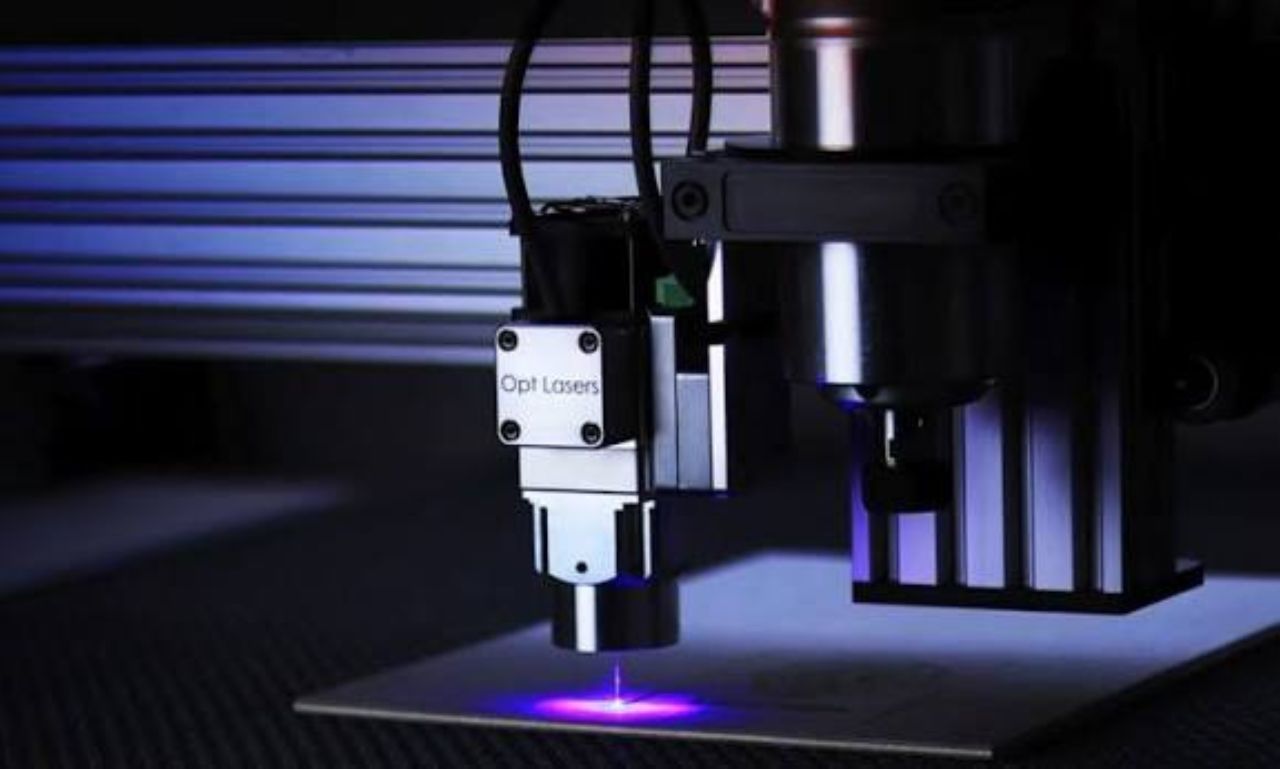
Surface coatings play a crucial role in protecting products while enhancing their appearance. Among the latest advancements in finishing technology is Uvlack, a term commonly used to describe UV-curable lacquer or coating systems. Unlike conventional paints or varnishes that rely on air drying or heat, Uvlack hardens almost instantly when exposed to ultraviolet (UV) light, making it an efficient and durable solution for a wide range of industries.
From furniture and packaging to automotive components and electronics, Uvlack is valued for its speed, durability, and high-quality finish. As manufacturers seek faster production methods and more environmentally friendly coating technologies, UV-curable coatings continue to gain popularity.
This guide explains everything you need to know about Uvlack, including how it works, its key features, benefits, applications, challenges, and future developments.
What Is Uvlack?
Uvlack refers to a UV-curable lacquer or varnish that remains liquid until it is exposed to ultraviolet light. During the curing process, the coating undergoes a chemical reaction that transforms it into a hard, durable protective layer within seconds.
Unlike traditional coatings that require long drying times, Uvlack provides nearly instant curing, helping manufacturers improve production efficiency while achieving consistent surface quality.
How Uvlack Works
The Uvlack process follows several simple steps:
Surface Preparation
The surface is cleaned to remove dust, grease, and other contaminants.
Coating Application
The UV lacquer is applied using techniques such as:
- Roller coating
- Spray coating
- Curtain coating
- Printing systems
UV Exposure
After application, the coated surface passes under ultraviolet lamps.
The UV light activates special chemicals known as photoinitiators, triggering rapid polymerization that hardens the coating almost instantly.
Finished Surface
The result is a durable finish that may be:
- High gloss
- Matte
- Satin
- Soft-touch
- Textured
Key Features of Uvlack
Instant Curing
One of the biggest advantages of Uvlack is its extremely fast curing time. Products can often move directly to the next production stage without waiting for extended drying.
Excellent Surface Protection
Uvlack creates a protective barrier that helps resist:
- Scratches
- Abrasion
- Moisture
- Chemicals
- Everyday wear
Superior Appearance
Manufacturers use Uvlack to improve visual appeal by providing:
- Rich color enhancement
- Smooth finishes
- Uniform coatings
- Premium-looking surfaces
High Production Efficiency
Since the coating cures almost immediately, manufacturers can reduce production bottlenecks and increase output.
Consistent Results
UV curing offers controlled, repeatable performance that minimizes variations between production batches.
Benefits of Uvlack
Faster Manufacturing
Traditional coatings may require hours to dry.
Uv lack can cure within seconds, significantly increasing manufacturing speed.
Improved Durability
The cured coating provides long-lasting protection against:
- Physical damage
- Surface scratches
- Daily handling
- Environmental exposure
Better Product Appearance
Uvlack enhances:
- Color depth
- Surface smoothness
- Gloss retention
- Overall product quality
Reduced Energy Consumption
Because curing occurs quickly under UV lamps, production lines often consume less energy than traditional heat-based drying systems.
Lower Emissions
Many UV-curable coatings contain little or no volatile organic compounds (VOCs), making them a more environmentally friendly alternative to many solvent-based coatings.
Applications of UvlackPrinting Industry
Commercial printing frequently uses Uvlack for:
- Business cards
- Magazines
- Brochures
- Catalogs
- Book covers
- Labels
The coating protects printed materials while creating an attractive finish.
Packaging
Luxury packaging often incorporates Uvlack to improve both durability and visual appeal.
Examples include:
- Cosmetic boxes
- Food packaging
- Electronics packaging
- Gift boxes
- Premium retail products
Furniture Manufacturing
Wood furniture benefits from Uvlack because it offers:
- Scratch resistance
- Moisture protection
- Long-lasting finishes
- Attractive appearance
Automotive Components
Vehicle manufacturers use UV-curable coatings on:
- Interior trim
- Plastic components
- Decorative panels
- Dashboard parts
These coatings improve both aesthetics and durability.
Electronics
Consumer electronics often feature Uvlack coatings on:
- Device housings
- Control panels
- Plastic covers
- Decorative surfaces
Flooring
Wood and laminate flooring manufacturers apply UV coatings to increase wear resistance and simplify maintenance.Types of Uvlack Finishes
Different applications require different finishes.
Gloss Finish
Creates a reflective, premium appearance.
Matte Finish
Provides a modern, low-reflection surface.
Satin Finish
Balances gloss and matte characteristics.
Soft-Touch Finish
Offers a smooth, velvet-like texture.
Anti-Scratch Finish
Designed for products exposed to frequent handling.
Uvlack vs Traditional Coatings
| Feature | Uvlack | Traditional Coating |
|---|---|---|
| Drying Time | Seconds | Hours |
| Durability | Excellent | Moderate |
| Scratch Resistance | High | Medium |
| Production Speed | Very Fast | Slower |
| Surface Quality | Consistent | Variable |
| VOC Emissions | Often Lower | Can Be Higher |
Industries That Benefit from Uvlack
Many sectors use UV-curable coatings, including:
- Printing
- Packaging
- Furniture
- Automotive
- Electronics
- Construction
- Interior design
- Home décor
- Consumer goods
The versatility of Uvlack makes it suitable for both decorative and protective applications.
Challenges of Using Uvlack
Despite its many advantages, Uv lack also has some limitations.
Higher Initial Equipment Costs
UV curing systems require specialized lamps and production equipment.
Surface Compatibility
Not every material is suitable for UV-curable coatings without proper preparation.
Skilled Operation
Manufacturers need trained personnel to ensure proper curing and coating quality.
Maintenance Requirements
UV lamps require periodic maintenance and replacement to maintain consistent performance.
Sustainability and Environmental Impact
Environmental concerns have encouraged wider adoption of UV-curable coatings.
Benefits include:
- Lower VOC emissions
- Reduced production waste
- Improved energy efficiency
- Faster manufacturing cycles
These advantages support more sustainable industrial practices.
Future of Uvlack Technology
As manufacturing technologies continue to evolve, Uv lack is expected to become even more advanced.
Emerging trends include:
- More eco-friendly coating formulations
- Improved UV-LED curing systems
- Enhanced scratch resistance
- Smart coating technologies
- Greater compatibility with recycled materials
- Increased automation in production lines
These innovations will likely expand the use of UV-curable coatings across additional industries.
Best Practices for Using Uvlack
To achieve the best results:
- Clean surfaces thoroughly before application.
- Use compatible UV-curable coating formulations.
- Ensure proper UV lamp intensity and exposure time.
- Regularly maintain curing equipment.
- Follow manufacturer safety guidelines.
- Inspect finished surfaces for consistent quality.
Following these practices helps maximize coating performance and product durability.
Conclusion
Uvlack has become an important technology in modern surface finishing because it combines rapid curing, excellent durability, and superior visual quality. Whether applied to printed materials, furniture, packaging, automotive parts, or consumer electronics, UV-curable coatings help manufacturers produce attractive, long-lasting products while improving production efficiency. As UV technology continues to advance, Uvlack is expected to play an even greater role in sustainable, high-performance manufacturing, making it a valuable solution for industries seeking faster processes and premium surface protection.